Tuesday, November 12, 2024
How to Remove Septic Tank Odors with Easy Solutions
How to Remove Septic Tank Odors with Easy Solutions
Let's face it, septic tank odors are NOT pleasant. They can be embarrassing and make your home feel less than inviting. But don't worry! You don't have to live with that funky smell. We're here to help you conquer those odors with some easy, practical solutions.
Understanding Septic Tank Odors
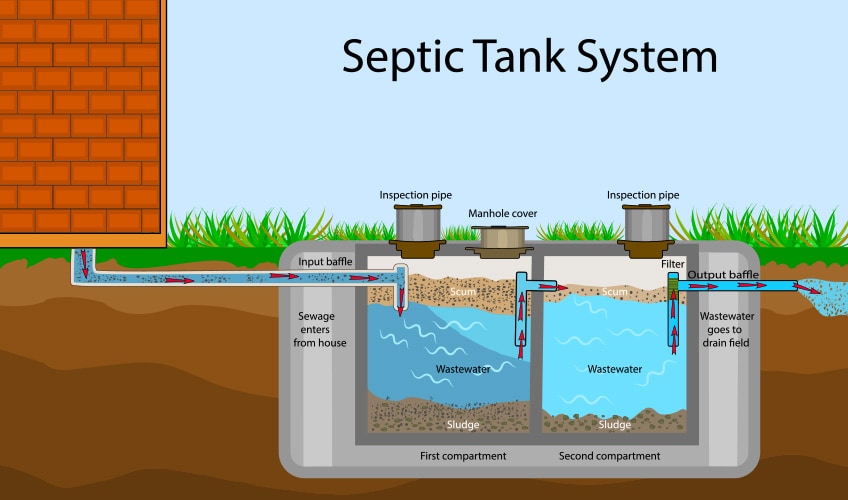
First, it's helpful to understand what causes those pesky smells. Septic tanks work by separating solids from wastewater. The solids settle at the bottom, forming sludge, while the liquids are discharged into a drain field. If the system isn't working properly, gases can escape, and that's what causes the odor.
There are a few common culprits for septic tank odors:
- Overflowing tank: If the tank is full, wastewater can back up into the drain field, causing odors.
- Clogged drain field: If the drain field is clogged, wastewater can't drain properly, leading to backups and odors.
- Leaks or cracks in the system: Even small cracks can allow odors to escape into the surrounding soil and air.
- Improper venting: The vent pipe, which helps to release gases, can become clogged or malfunctioning, leading to odor buildup.
- Poor maintenance: Regular maintenance, such as pumping the tank and inspecting the system, is essential to prevent odors.
Easy Solutions to Eliminate Septic Tank Odors
Now that you understand the root of the problem, let's get to the good stuff - how to tackle those odors!
1. Keep Your Tank Pumped
This is the single most important step to prevent odors. A full tank can cause wastewater to back up into the drain field and release gases. Schedule regular pumping, every 3-5 years, depending on your household size and usage.
2. Treat Your Tank
Septic tank treatments help break down waste, control odors, and improve the efficiency of your system. You can find a variety of products at your local hardware store or online. Choose a product specifically designed for septic tanks, and follow the instructions carefully. You can also try natural options, like adding a cup of baking soda or a handful of citrus peels to your toilet every few weeks.
3. Check Your Venting
The vent pipe is crucial for releasing gases. Make sure it's not blocked or clogged. If you suspect a problem, contact a qualified plumber to inspect and clean it. You can also check for signs of blockage, like gurgling sounds coming from your drains.
4. Prevent Clogs
Clogs in your plumbing system can lead to backups and odors. Avoid flushing things that shouldn't go down the drain, like:
- Grease and oil: These can solidify in your pipes, causing clogs.
- Hair and food scraps: These items can also build up and create blockages.
- Flushable wipes: Many "flushable" wipes are not actually biodegradable and can clog your system.
- Paper towels and tissues: These items can also lead to clogs.
5. Clean Your Drain Field
The drain field is where the wastewater is filtered. If it becomes clogged, odors can arise. You can prevent clogs by avoiding driving or parking heavy vehicles over it. Regular inspection and maintenance by a qualified professional are essential for a healthy drain field.
6. Use Odor Neutralizers
If you're dealing with a persistent odor, you can try using odor neutralizers. These products come in various forms, including sprays, gels, and granules. Choose a product specifically designed for septic systems and follow the instructions carefully. Keep in mind that odor neutralizers only mask the odor, they don't address the root cause. Addressing the underlying issue is still vital!
7. Maintain Good Yard Drainage
Proper drainage around your home can help prevent odors from the septic system. Make sure your yard slopes away from the house, and consider adding gutters to direct rainwater away from the septic tank and drain field. You can also install a French drain to help divert excess water.
8. Look for Signs of Trouble
Be on the lookout for signs that your septic system might be failing, including:
- Slow drains: This can be a sign of a clog or a blockage in your system.
- Gurgling sounds: This can indicate a problem with the venting system or a clog.
- Standing water in your yard: This could mean your drain field is overflowing.
- Unusual smells: If you notice a strong, foul odor, it's a sign that your system needs attention.
If you notice any of these issues, call a qualified septic professional immediately. They can diagnose the problem and help you resolve it before it gets worse.
Additional Tips
Here are a few extra tips to help you keep those septic odors at bay:
- Flush your toilet frequently: This helps to keep your pipes flowing and prevent odors from building up.
- Use a plunger regularly: A quick plunge in your toilet bowl can help clear out minor clogs and prevent odors from escaping.
- Keep your septic tank lid closed: This helps to prevent gases from escaping and creating odors.
- Don't use harsh chemicals: Chemicals can damage your septic system and lead to odors. Stick to natural solutions or septic-safe treatments.
Preventative Measures
Remember, prevention is key! Here are a few ways to avoid septic tank odors in the first place:
- Get regular inspections: Schedule annual inspections of your septic system by a qualified professional.
- Follow a regular maintenance schedule: Pump your tank every 3-5 years, or more often if you have a large household.
- Be mindful of what you flush: Avoid flushing anything that's not biodegradable.
- Keep your yard healthy: A healthy yard can help to prevent water from pooling around your septic tank and drain field.
With a little awareness and proactive steps, you can keep those septic tank odors out of your home and enjoy a fresh, pleasant environment.

No comments:
Post a Comment