Sunday, November 17, 2024
How to Minimize New Septic Tank Odors Outdoors
Banishing the "Eau de Septic" from Your Backyard: How to Minimize New Septic Tank Odors Outdoors
Let's face it, nobody wants their backyard smelling like a forgotten sewer grate. A new septic tank can be a great investment for your home, but those initial, pungent odors can be a real buzzkill. Don't worry, you're not alone in this battle against the "eau de septic"! With a little know-how and some proactive steps, you can banish those unpleasant smells and enjoy your outdoor space without a whiff of sewage in sight.
The Source of the Stink: Understanding Your Septic System
Before we dive into the solutions, let's understand the root of the problem. Your septic system is essentially a miniature wastewater treatment plant. It's a self-contained ecosystem where bacteria break down waste, leaving clean water to drain away. But this process can sometimes produce some, shall we say, "aromatic" byproducts. The culprit? Gases like hydrogen sulfide (that classic rotten egg smell) and methane (the gas that makes your stovetop work).
These gasses can escape through various points in your system:
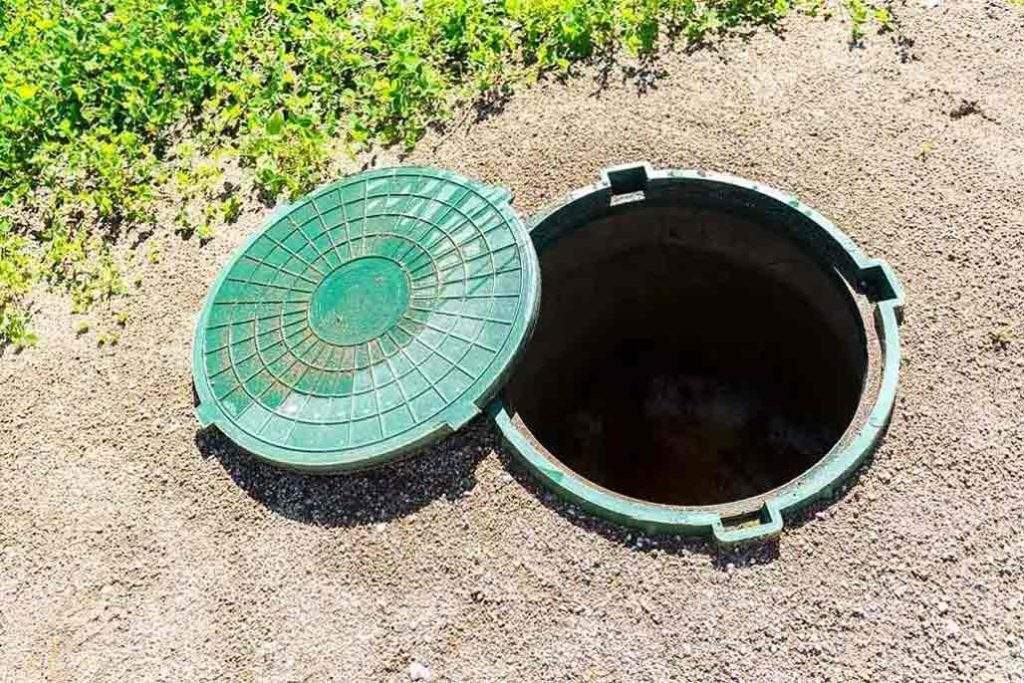
- The tank lid: If the lid isn't properly sealed or has a leak, gases can waft right out.
- The vent pipe: This vertical pipe lets gases escape into the atmosphere, but sometimes it can get clogged or become ineffective.
- The leach field: This is where the treated wastewater filters back into the ground. If the leach field is overloaded or improperly installed, gases can be released into the surrounding soil, eventually finding their way to the surface.
Prevention is Key: Proactive Steps for Odor Control
Here's the good news: tackling septic odor is a combination of proactive measures and quick fixes. Think of it as a multi-layered defense against the olfactory assault.
1. The First Line of Defense: Proper Maintenance
Just like your car needs regular check-ups, your septic system needs a little TLC. A yearly inspection and pumping are crucial for optimal performance and odor control.
- Schedule regular pumping: Pumping out the sludge and scum from your septic tank every 3-5 years is essential. A full tank won't process waste efficiently, leading to odor issues.
- Inspect and clean the vent pipe: A clogged vent pipe can trap gases and force them to escape elsewhere. Regularly inspect it for blockages, and clean it with a brush or compressed air if necessary.
- Use a septic tank treatment: These microbial products can help break down waste more effectively and reduce odor-causing bacteria. Just be sure to follow the instructions on the product label.
2. The Second Line of Defense: Strategic Landscaping
Your garden can be a powerful weapon against odors. Here's how:
- Plant odor-absorbing plants: Certain plants are natural gas absorbers. Think lavender, rosemary, and even mint. Strategically placing them near your septic system can help mask any unpleasant smells.
- Create a buffer zone: Planting shrubs or trees near your septic system can act as a physical barrier, preventing odors from reaching your patio or home. Just make sure they're not planted directly over the leach field.
- Avoid dense vegetation: Thick grass or shrubs can trap moisture, creating a breeding ground for odor-causing bacteria. Keep the area around your septic system well-maintained and relatively clear.
3. The Third Line of Defense: Quick Fixes for Immediate Relief
Sometimes, you need a quick solution to a stinky situation. These tricks can temporarily neutralize odors until you can get to the root of the problem.
- Baking soda: Sprinkle some baking soda around your septic tank and leach field. It neutralizes odors by absorbing them.
- Vinegar and water: Combine equal parts white vinegar and water, pour it down the drain, and let it sit for a few minutes. The vinegar's acidity can help break down odor-causing molecules.
- Coffee grounds: Sprinkle coffee grounds around your septic tank and leach field. They help absorb odors and can actually improve the soil around the system.
- Activated charcoal: Place a small bowl of activated charcoal near the source of the odor. It absorbs gasses and can help neutralize odors.
Commonly Asked Questions
1. What if the odor is coming from the drain field?
If the smell is strong near the drain field, it could indicate a problem with the system, such as a blockage or a failure of the drain field itself. It's best to call a septic professional for an inspection and to determine the cause.
2. What if my vent pipe is blocked?
A clogged vent pipe can trap gases and cause odor problems. If you suspect a blockage, contact a septic service to clear the vent pipe. They'll use specialized equipment to remove any obstructions and ensure proper ventilation.
3. What about chemicals like bleach? Can I use them to eliminate odors?
While bleach can seem like a good quick fix, it's not recommended for your septic system. Bleach can actually kill off the beneficial bacteria that break down waste in your tank, leading to more serious problems and potentially a worse odor down the line. Stick to natural methods or septic-safe treatments.
4. Should I worry about the odor affecting my health?
In most cases, a mild septic odor isn't cause for major concern. But if you notice a strong odor, especially if it persists or is accompanied by other symptoms like nausea, it's a good idea to consult with a doctor.
Remember, a well-maintained septic system should rarely produce strong odors. By taking preventative measures and knowing the signs, you can avoid those embarrassing moments and enjoy a fresh, odor-free outdoor space. And hey, if all else fails, maybe invest in a big fan to blow the smells away! 😉

No comments:
Post a Comment