Saturday, November 16, 2024
How to Get Rid of Septic Tank Smell with Eco-Friendly Products
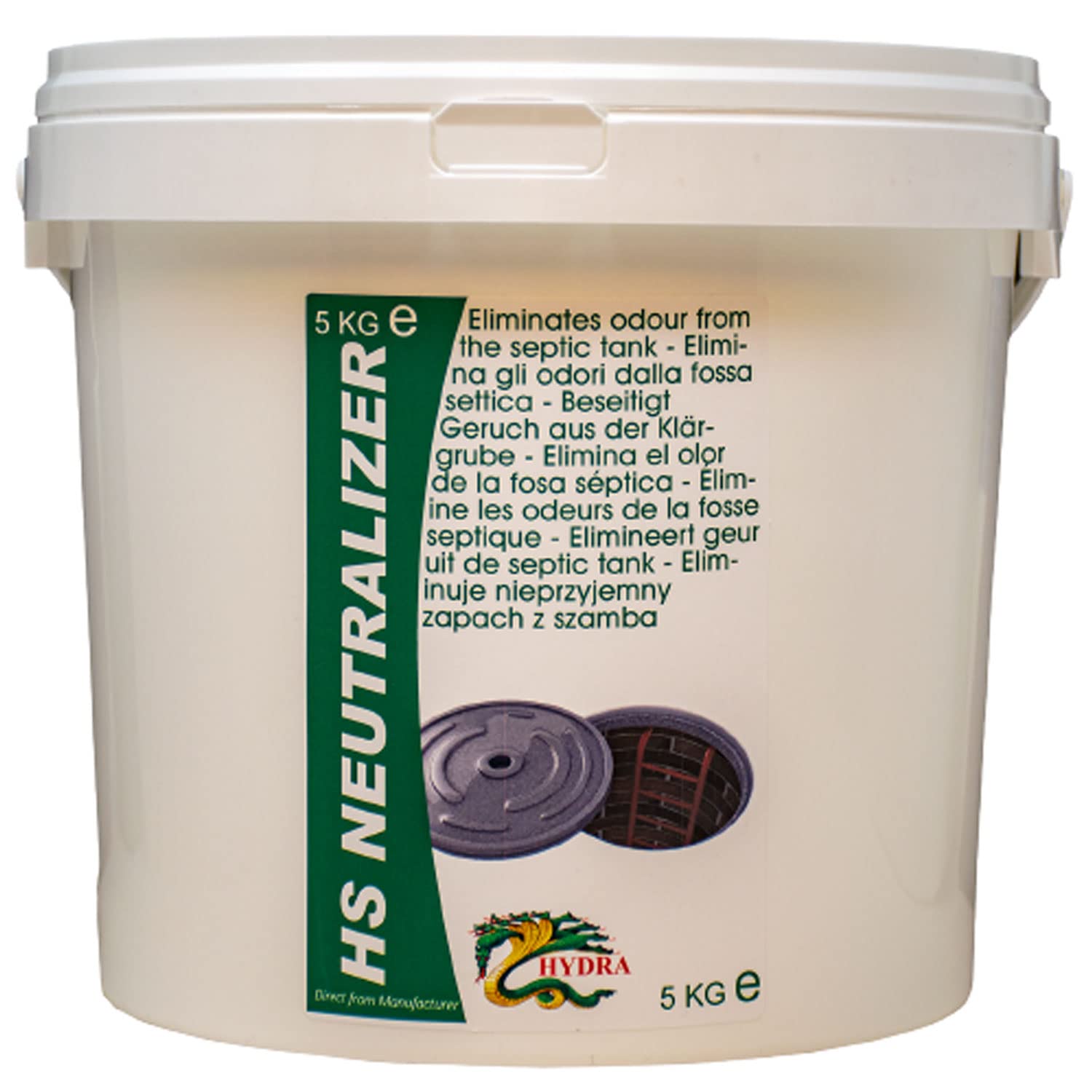
Eliminating Septic Tank Odors with Eco-Friendly Solutions
A lingering, unpleasant odor emanating from your septic system can be a source of embarrassment and discomfort. While traditional chemical treatments may offer quick relief, they often come with environmental concerns and potential harm to your septic system. Fortunately, there are numerous eco-friendly solutions available to effectively eliminate septic tank odors without compromising the health of your system or the environment.
Understanding the Source of Septic Tank Odors
Septic tank odors typically arise from the decomposition of organic matter within the tank. As wastewater enters the tank, bacteria break down solids, releasing gases like hydrogen sulfide, methane, and ammonia. These gases can escape into the surrounding environment, creating an unpleasant smell.
Several factors can contribute to a strong septic tank odor, including:
- Overloading the tank: Exceeding the tank's capacity can lead to a buildup of waste and increased gas production.
- Improper maintenance: Neglecting regular pumping and inspection allows sludge and scum to accumulate, hindering the proper functioning of the system.
- Clogged drain field: A blocked drain field prevents treated wastewater from dispersing, leading to a backup and odor release.
- Leaks or cracks: Damage to the tank or pipes can allow gases to escape into the surrounding soil and air.
Eco-Friendly Solutions to Eliminate Septic Tank Odors
1. Natural Enzyme Treatments
Enzymes are powerful biological agents that naturally break down organic waste. Eco-friendly enzyme treatments contain beneficial bacteria and enzymes that digest sludge and scum, reducing odor-causing gases. These treatments are readily available in liquid or granular form and are typically safe for septic systems.
To use enzyme treatments, simply follow the manufacturer's instructions. Typically, you will add the treatment to your septic tank every few months or as needed. The enzymes will work to break down the waste, reducing the odor over time.
2. Baking Soda and Vinegar
A simple and effective home remedy for septic tank odor is a mixture of baking soda and vinegar. Baking soda is a natural deodorizer, while vinegar's acidity helps to neutralize odor-causing gases. To use this method, pour a cup of baking soda followed by a cup of vinegar down your toilet or a drain near the septic tank. Allow the mixture to sit for a few hours before flushing.
This method can be used regularly to maintain a pleasant odor, but it may not provide a long-term solution for severe odors. However, it is an excellent eco-friendly option for addressing minor odor issues.
3. Compost Tea
Compost tea is a fermented solution derived from compost that contains beneficial bacteria and microorganisms. These microorganisms are capable of breaking down organic waste and reducing odor-causing gases. To make compost tea, simply steep compost in water for several days. Once the tea is brewed, you can pour it into your septic tank.
While compost tea is a natural and effective way to improve septic tank function, it's essential to ensure the compost is free of harmful pathogens. It's also crucial to follow proper brewing instructions to avoid contamination.
4. Activated Charcoal
Activated charcoal is a highly porous material that effectively absorbs odor-causing molecules. To use activated charcoal for septic tank odor control, you can purchase commercially available charcoal filters or create your own by placing a bag of activated charcoal in your septic tank. The charcoal will absorb gases as they are released, preventing them from escaping into the air.
Activated charcoal is an environmentally friendly and highly effective solution for odor control, although it needs to be replaced periodically as it becomes saturated with odor-causing molecules.
5. Aeration Systems
Aeration systems introduce oxygen into the septic tank, promoting the growth of aerobic bacteria. These bacteria are more effective at breaking down waste and reducing odor-causing gases. Aeration systems can be installed directly in the tank or as a separate unit connected to the tank. They are a more permanent solution compared to the other methods mentioned above.
While aeration systems are effective, they are also a more expensive option. However, they offer long-term odor control and improved septic system performance.
Preventing Septic Tank Odors
Beyond addressing existing odors, proactive measures are crucial for preventing unpleasant smells from your septic system. Consider the following:
- Schedule regular pumping: Pumping out your septic tank every 3-5 years removes accumulated sludge and scum, preventing odors and maintaining optimal system function.
- Avoid flushing non-biodegradable materials: Dispose of grease, hair, medications, and other non-biodegradable substances properly to avoid clogging your pipes and septic system.
- Use septic-safe cleaners: Choose cleaning products specifically designed for septic systems to avoid disrupting the bacterial balance and causing harm to your system.
- Monitor water usage: Be mindful of water consumption to avoid overloading your septic tank and creating odor problems.
When to Contact a Professional
While eco-friendly solutions can effectively address many septic tank odor issues, some situations warrant professional attention. If you notice a strong, persistent odor despite using these methods, or if you suspect a leak or other problem with your system, it's essential to contact a qualified septic tank professional for diagnosis and repair.
By implementing these eco-friendly solutions and practicing good septic system maintenance, you can effectively eliminate odors and ensure a healthy and odor-free environment for your home.

No comments:
Post a Comment