Wednesday, January 15, 2025
septic tank problems causing bad smells

Septic Tank Problems and Associated Odor Issues: A Comprehensive Analysis
The unpleasant odors emanating from a malfunctioning septic system are a common source of distress for homeowners. These smells, ranging from subtly unpleasant to overwhelmingly noxious, indicate underlying problems within the septic tank and its associated drain field. Addressing these issues promptly is crucial not only for mitigating the odor but also for preventing more serious and costly damage to the system and the surrounding environment. This article provides a detailed examination of the various causes of septic tank odors and outlines effective strategies for diagnosis and remediation.
Understanding Septic Tank Function and Odor Generation
A properly functioning septic system relies on a complex interplay of biological processes to effectively treat household wastewater. Wastewater enters the septic tank, where solids settle to the bottom forming sludge, while lighter materials, known as scum, float to the surface. Anaerobic bacteria in the tank break down the organic matter in the wastewater, producing biogas as a byproduct. This biogas contains various gases, including methane, hydrogen sulfide, and carbon dioxide, some of which are responsible for the characteristic foul odor associated with septic system malfunctions.
The Role of Bacteria in Odor Production
The anaerobic bacteria responsible for wastewater treatment are crucial, but an imbalance in their populations can lead to odor problems. If the bacteria are not functioning optimally, either due to insufficient nutrients, toxic substances, or a lack of oxygen, they may produce a higher concentration of odorous gases. This can manifest as a stronger, more persistent smell. Conversely, an overabundance of certain bacteria can also lead to heightened odor production.
Factors Influencing Odor Intensity
Several factors influence the intensity and type of odor produced by a malfunctioning septic system. These include:
- The type and amount of waste entering the system: Excessive grease, fats, and oils can clog the system and impede the bacterial breakdown process, leading to increased odor production.
- The age and condition of the septic tank: Older tanks are more susceptible to cracking and leakage, allowing wastewater to escape and contaminate the surrounding soil, creating foul odors.
- The efficiency of the drain field: A clogged or failing drain field prevents the proper dispersal of treated wastewater, leading to a buildup of wastewater and associated odors near the surface.
- Soil type and drainage: Clay soils with poor drainage can hinder the proper functioning of the drain field, exacerbating odor issues.
- Environmental factors: Temperature and rainfall can influence bacterial activity and the rate of wastewater decomposition, indirectly affecting odor production.
Common Septic Tank Problems Leading to Odors
A variety of problems can disrupt the normal operation of a septic system and result in unpleasant odors. Identifying the specific cause is crucial for implementing effective remedial measures. The most common causes include:
Septic Tank Full or Overfilling
When a septic tank becomes full or overloaded, it can lead to a backup of wastewater and the release of odorous gases. This is often accompanied by wastewater surfacing in the yard or sewage backing up into the house plumbing. The increase in pressure within the tank forces the gases to escape through any available pathway, including cracks or improperly sealed lids.
Clogged or Damaged Drain Field
The drain field is the crucial component responsible for filtering and dispersing treated wastewater into the soil. If the drain field becomes clogged with solids, or damaged due to soil compaction or root intrusion, it can lead to wastewater backup and subsequent odor problems. The lack of proper drainage creates stagnant areas within the drain field where anaerobic bacteria thrive and produce high concentrations of foul-smelling gases.
Leaks and Cracks in the Septic Tank
Leaks and cracks in the septic tank allow untreated wastewater to escape into the surrounding soil. This not only contaminates the groundwater but also creates breeding grounds for odor-producing bacteria. The escaping wastewater can surface in the yard, creating a persistent and unpleasant smell. The location of the leak will influence the intensity and location of the odor.
Improper Septic Tank Maintenance
Regular maintenance is essential for ensuring the proper functioning of a septic system. Neglecting routine inspections and pumping can lead to a buildup of sludge and scum, which can inhibit bacterial activity and generate foul odors. Furthermore, ignoring warning signs can allow minor problems to escalate into major and costly repairs.
Incorrect Installation or Design
Septic systems must be properly installed and designed to suit the specific site conditions and wastewater volume. Incorrect installation, such as inadequate sizing or improper placement of the drain field, can lead to numerous problems, including recurring odor issues. A poorly designed system may not be able to handle the wastewater load, resulting in backups and odor production.
Solutions and Preventive Measures
Addressing septic tank odor problems requires a multi-faceted approach that combines immediate solutions with long-term preventive measures. The first step involves a thorough investigation to pinpoint the root cause of the problem. This may require professional inspection using specialized equipment to identify leaks, clogs, or other issues.
Professional Septic Tank Pumping
Regular pumping of the septic tank is crucial for removing accumulated sludge and scum. A professional septic service provider can assess the tank's condition and determine the appropriate pumping frequency. This is a preventative measure that should be undertaken before any unpleasant odors emerge.
Drain Field Repair or Replacement
If the drain field is clogged or damaged, repair or replacement may be necessary. This involves restoring the proper drainage capacity of the system, preventing wastewater buildup and associated odors. Professional assessment is essential to determine the optimal course of action.
Septic Tank Repair or Replacement
If the septic tank itself is damaged or beyond repair, replacement may be required. This is a significant undertaking that should be carried out by qualified professionals who can ensure proper installation and compliance with local regulations. A new tank offers a long-term solution to odor problems stemming from tank failure.
Lifestyle Modifications
Certain lifestyle choices can impact the performance of a septic system. Reducing the amount of grease, fats, and oils disposed of down the drain can help minimize clogs and improve the overall efficiency of the system. Using appropriate septic-safe products and avoiding the disposal of harmful chemicals can also contribute to maintaining a healthy and odor-free septic system.
In conclusion, septic tank odors are a clear indication of underlying problems that require prompt attention. By understanding the causes of these odors and implementing appropriate solutions, homeowners can ensure the long-term health and efficiency of their septic systems, preserving both their property value and their quality of life. Regular maintenance and proactive measures are essential in preventing costly repairs and ensuring the effective treatment of household wastewater.

Friday, November 22, 2024
Why Your New Septic Tank Smells and How to Fix It
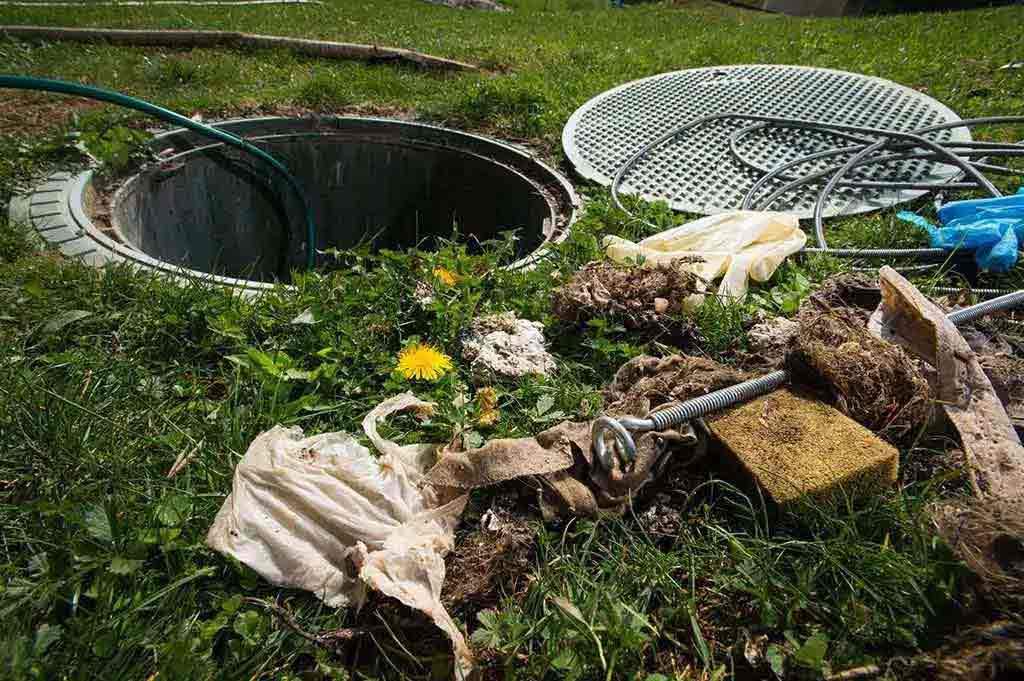
Why Your New Septic Tank Smells and How to Fix It
The installation of a new septic system represents a significant investment, promising years of reliable wastewater treatment. However, the unwelcome presence of foul odors emanating from a newly installed septic tank can be both disconcerting and frustrating. This unexpected issue can stem from a variety of factors, ranging from installation errors to insufficient maintenance. Understanding the potential causes and implementing appropriate remediation strategies is crucial to restoring the integrity and odor-free operation of your septic system.
Identifying the Source of Septic Tank Odors
The unpleasant smell associated with a new septic tank is rarely indicative of a major malfunction, but it necessitates prompt attention. Pinpointing the origin of the odor is the first step towards an effective solution. Odors can originate from various points within the system, each requiring a different approach to remediation.
Improper Installation or Connections
A common culprit is faulty installation. Even minor errors during the construction phase can lead to significant odor problems. Incorrect venting is a frequent offender. The vent pipe, designed to release gases produced during the anaerobic digestion process, must be properly sized and extended to a sufficient height to prevent the backflow of sewer gases into the house or surrounding areas. Leaks in the tank or piping can also release foul-smelling gases. These leaks may be subtle, occurring at joints or in the tank itself. Poorly sealed manhole covers or improperly connected pipes can also contribute to odor release.
Incomplete Curing of Concrete
If your septic tank is constructed from concrete, incomplete curing can result in the emission of strong ammonia-like odors. Fresh concrete releases volatile organic compounds (VOCs) during the curing process. These compounds can linger for several weeks or even months, depending on environmental conditions. While not inherently harmful, the smell can be overpowering and objectionable. Proper curing requires a consistent moisture level and appropriate temperature for an extended period, usually several weeks. Inadequate curing weakens the concrete and creates pathways for gas escape.
Insufficient Microbial Activity
The anaerobic digestion process within the septic tank relies on a healthy population of beneficial bacteria. These bacteria break down organic waste, reducing odor-producing compounds. If the bacterial population is insufficient or inactive, the breakdown of waste slows down, leading to an accumulation of odorous substances. Several factors can contribute to this, including the use of harsh chemicals or insufficient wastewater volume during the initial weeks of operation. New systems require time for the bacterial colonies to establish and fully functional.
High Water Table or Soil Conditions
High groundwater levels or poorly draining soil can impede the proper functioning of the septic system and potentially contribute to odor problems. If the tank is submerged or surrounded by waterlogged soil, the anaerobic digestion process can be disrupted, leading to the release of gases. Similarly, heavy clay soils can inhibit the proper drainage of effluent from the leach field, potentially causing backups and odors.
Remediating Septic Tank Odors
Addressing septic tank odors requires a systematic approach, focusing on identifying and rectifying the underlying cause. Relying on temporary solutions like air fresheners will only mask the problem and could delay addressing a more serious issue.
Inspecting and Repairing Leaks and Connections
A thorough inspection of the entire system is essential. This involves checking all pipe connections, the tank itself, and the vent pipe for any cracks, leaks, or improperly sealed joints. Professional plumbers specialized in septic systems should perform this inspection to ensure accuracy. Any identified leaks or damaged components should be promptly repaired using appropriate materials and techniques. Avoid using temporary patches, as these may fail, exacerbating the problem.
Ensuring Proper Venting
The vent pipe plays a crucial role in preventing odor build-up. It must be correctly sized, properly installed, and extend to a sufficient height above the surrounding structures to allow for effective gas dispersal. A blocked or inadequate vent pipe can lead to significant pressure build-up within the septic tank, forcing foul-smelling gases to escape through other pathways. Professional inspection and potential adjustments may be necessary to ensure proper venting.
Adding Beneficial Bacteria
Introducing beneficial bacteria can accelerate the decomposition of organic waste and reduce odor-producing compounds. These commercially available products are specifically formulated to enhance microbial activity within the septic tank. Follow the manufacturer's instructions carefully to ensure effective results. Note that while beneficial, these products are not a solution for underlying system issues.
Addressing Soil and Water Conditions
If high water table or poor soil conditions are contributing to odor problems, more extensive remediation might be required. This could involve installing a more effective drainage system around the septic tank or considering the installation of a different type of septic system better suited to the site conditions. Consulting with a septic system professional is crucial in this instance to assess the situation and recommend appropriate solutions.
Maintaining Adequate Wastewater Flow
Ensure that a sufficient volume of wastewater enters the system regularly to maintain a healthy bacterial population. During the initial weeks after installation, it is particularly important to ensure consistent water usage to facilitate the establishment of a thriving microbial community. Avoid using excessive amounts of harsh cleaning chemicals, as these can disrupt the bacterial balance and exacerbate odor problems.
Preventing Future Odor Issues
Regular maintenance is paramount in preventing future odor problems. A proactive approach significantly reduces the likelihood of encountering unpleasant smells.
- Schedule regular pumping: Pumping the septic tank every 3-5 years, depending on usage, removes accumulated sludge and prevents blockages.
- Avoid harsh chemicals: Limit the use of harsh cleaning products and chemicals that can disrupt the bacterial balance within the septic tank.
- Monitor the system: Regularly inspect the system for any signs of leaks, blockages, or other problems. Addressing minor issues promptly prevents them from escalating into major problems.
- Proper landscaping: Avoid planting trees or shrubs directly over the leach field, as their roots can damage the drainage system.
- Professional inspections: Periodic inspections by a qualified septic system professional can identify potential problems before they become major issues and associated with unpleasant odors.
A new septic tank emitting unpleasant odors requires immediate attention. By carefully investigating potential causes and implementing appropriate remediation strategies, you can restore the system's functionality and eliminate unwanted smells. Remember to consult with qualified professionals for diagnosis and repairs, ensuring the longevity and effectiveness of your septic system.
Wednesday, November 20, 2024
How I Fixed the Septic Tank Smell Problem with a Simple Drainage Fix

Banishing the Bog: How I Conquered My Septic Tank Smell with a Simple Drainage Solution
That pungent, earthy odor wafting from your yard? It's a problem many homeowners face: a septic system that's letting off a less-than-pleasant aroma. For weeks, a foul smell lingered around my backyard, a constant reminder of the lurking issue beneath my feet. I tried everything â€" air fresheners, baking soda, even strategically placed potted plants â€" but nothing truly masked the pervasive stench. The source? A surprisingly simple drainage problem I eventually tracked down and fixed.
The Clues: Uncovering the Source of the Septic Stench
Initially, I suspected a failing septic tank. I envisioned expensive repairs, possibly even complete replacement. Before calling in expensive professionals, however, I systematically investigated. I started by carefully inspecting the area around my drain field, the network of pipes that distributes treated wastewater into the ground. I noticed slightly soggy patches of grass, a telltale sign of potential problems. Further investigation revealed slow-draining sinks and showers, a subtle but crucial clue that the system wasn't working efficiently. This pointed toward a blockage before the septic tank itself, not a problem with the tank's function.
Inspecting the Drain Field and Observing Drainage Patterns
Armed with a shovel and a healthy dose of skepticism (I really didn’t want a major plumbing job!), I began carefully probing the soil near the drain field. I didn't dig deeply, just enough to check for unusual saturation or standing water. This is crucial: avoid damaging the drain lines. The damp soil confirmed my suspicions. Then, I monitored the drainage patterns throughout my house, noting which fixtures were draining slowly. This narrowed down the likely location of the blockage to a point before the septic tank, most likely a clogged or damaged drain line leading to the tank. This was a much more manageableâ€"and significantly less expensiveâ€"problem than a tank failure.
The Solution: A Simple, Effective Drainage Fix
After pinpointing the likely blockage area, I decided to try a simple, non-invasive approach first. I used a drain snake, a flexible metal cable designed to break up clogs in pipes. I carefully fed the snake down the main drain line leading to the septic tank, rotating it steadily to break up any potential blockages. I pushed the snake as far as it could comfortably go, then gently retracted it, observing the debris clinging to its coils. To my relief, I retrieved a significant amount of accumulated hair, grease, and other organic matterâ€"the culprits behind my lingering septic woes!
Using a Drain Snake and Following Up with a Flush
After removing the accumulated debris, I flushed the line with several gallons of water to ensure complete clearance. Then, I closely monitored the drainage in my house. Immediately, the slow-draining sinks and showers improved dramatically. More importantly, the foul odor from my backyard started to dissipate within a day. This simple action, costing me a mere $20 for a drain snake, proved to be the perfect solution.
Preventing Future Problems
While the immediate problem was solved, I implemented several preventative measures to avoid a recurrence. These included:
- Regularly using a drain cleaner (following manufacturer instructions) in all drains to prevent future build-up.
- Being more mindful of what I flush down the drains, avoiding excessive grease, hair, and other materials that could clog pipes.
- Scheduling annual inspections of my septic system by a professional to identify any potential issues early on.
My experience taught me a valuable lesson: a seemingly significant septic system problem isn't always as daunting as it initially appears. A little investigation, a simple tool, and preventative measures can often solve the issue before it escalates into a costly repair. The sweet smell of fresh air now permanently replaces that nasty septic stench in my backyardâ€"a welcome change indeed!
Tuesday, November 19, 2024
Simple Solutions for Getting Rid of Septic Tank Smell
Banishing That Septic Tank Smell: Simple Solutions You Can Try Today!
Okay, let's talk about something nobody really *wants* to talk about: that awful septic tank smell. It’s embarrassing, it's unpleasant, and frankly, it can be a real headache. But before you call in the big guns (and the big bills!), let's explore some simple, affordable solutions you can try yourself. I’ve been there, dealt with the stink, and learned a few things along the way. Trust me, you're not alone in this smelly battle!Understanding the Source of the Stink
Before we dive into solutions, it’s important to understand *why* your septic system is letting off that pungent aroma. It's rarely a sign of immediate disaster, but it's definitely a sign that something's amiss. The smell usually comes from gases escaping the system. These gases are a byproduct of the bacteria breaking down waste. Think of it like a tiny, underground composting system â€" and like any composting system, it can get a little… ripe.Common Culprits:
- Leaks in the system: This is the most serious cause. A crack in the tank or pipes can allow gases to escape directly into your yard or even your house.
- Clogged vent pipe: The vent pipe allows gases to escape safely. If it's blocked by debris, birds' nests, or even ice, the pressure builds up, forcing the smell out through other avenues, like your drain covers.
- Overloaded system: Too much waste, too much water usage, or using inappropriate things (like harsh chemicals) can overload your system, leading to backups and smells.
- Dry septic tank: Ironically, a tank that doesn't get enough water can also lead to odors. The lack of moisture prevents the bacteria from doing their job properly.
- Poor drainage around the tank: Water pooling around the tank can cause the tank to become saturated, increasing pressure and the likelihood of leaks or odors.
Simple Solutions to Tackle the Smell
Now for the good part â€" the fixes! These are all things you can try before calling in a professional, and they might just solve your smelly problem.1. Check Your Vent Pipe:
This is often the easiest and most effective first step. Locate your vent pipe (it’s usually a pipe sticking out of the ground, sometimes disguised as a garden ornament). Check for any obstructions like leaves, twigs, or nests. Carefully remove any debris. If it's significantly blocked, you might need a plumber to clear it completely.2. Enzyme Treatments:
Septic tank enzyme treatments are readily available at most home improvement stores. These contain beneficial bacteria that help break down waste more efficiently. Follow the instructions carefully, and remember, these are not miracle workers â€" consistent use is key. They won't fix a major problem but can help maintain a healthy system and minimize smells.3. Baking Soda and Vinegar:
This old household trick can work wonders for minor odors. Pour a cup of baking soda down the drain, followed by a cup of vinegar. The fizzing action can help to clear minor blockages and neutralize some of the smells. Follow this up with a gallon of hot water.4. Maintain Proper Water Usage:
This might seem obvious, but it's crucial. An overloaded septic system is a smelly septic system. Avoid excessive water usage, such as long showers or frequent laundry runs. Running a few loads of laundry back to back can overwhelm the system.5. Avoid Harsh Chemicals:
Harsh cleaning chemicals can kill the beneficial bacteria in your septic system, disrupting its ability to break down waste. Opt for septic-safe cleaners and avoid pouring excessive amounts of grease, oil, or other substances down the drain.6. Address Drainage Issues Around Your Tank:
Make sure the ground around your septic tank is sloping away from the tank to prevent water from pooling. Add gravel if needed to help with drainage. This can also stop the system from becoming saturated.7. Regular Pumping:
This is a preventative measure, but crucial. Regular pumping of your septic tank (every 3-5 years, depending on the size of your tank and household size) is essential to prevent backups and odors. A full tank is a smelly tank.8. Consider a Bio-Booster:
These are concentrated blends of bacteria designed to increase microbial activity in your septic system. They break down solids more efficiently, reducing sludge buildup and minimizing odors. They act similarly to enzyme treatments but are often more potent.When to Call a Professional
While these simple solutions can often resolve minor septic tank odor issues, there are times when it's best to call a professional septic tank service:- Persistent odors after trying home remedies: If the smell doesn't improve after a week or two of trying these solutions, it's time to call in the experts.
- Sewage backups in your home: This is a serious problem and requires immediate professional attention. Do not attempt to fix this yourself.
- Visible cracks or damage to the tank or pipes: You need a professional to assess the damage and recommend repairs.
- Suspicion of a major system failure: If you suspect a larger problem, such as a significant clog or a failing component, it’s best to have a professional inspect the system.
Frequently Asked Questions (FAQs)
Q: How often should I pump my septic tank?
This depends on the size of your tank and your household size. Generally, every 3-5 years is a good guideline, but it’s best to consult with a septic tank professional to determine the appropriate schedule for your specific system.
Q: Can I use bleach in my septic tank?
It’s best to avoid bleach. Bleach can kill the beneficial bacteria responsible for breaking down waste, disrupting the system’s balance and potentially worsening odors.
Q: What are some things I should NOT put down my drains?
Avoid putting grease, oil, fats, excessive amounts of paper products, coffee grounds, and harsh chemicals down your drains. These can clog your pipes and overload your septic system.
Q: How do I know if I have a leak in my septic system?
Signs of a leak can include persistent foul odors, soggy or unusually green areas of your lawn over the tank, and slow-draining drains. If you suspect a leak, contact a professional septic system inspector immediately.
Q: My septic tank smells like rotten eggs. What should I do?
The smell of rotten eggs usually indicates the presence of hydrogen sulfide gas. This is a common byproduct of septic decomposition. Check your vent pipe for blockages as a first step. If the smell persists, contact a professional to rule out any serious issues.
Remember, dealing with septic tank issues can be a bit unpleasant, but taking proactive steps can prevent bigger, costlier problems down the road. By following these tips and paying attention to your system, you can keep that nasty smell at bay!Sunday, November 17, 2024
How to Minimize New Septic Tank Odors Outdoors
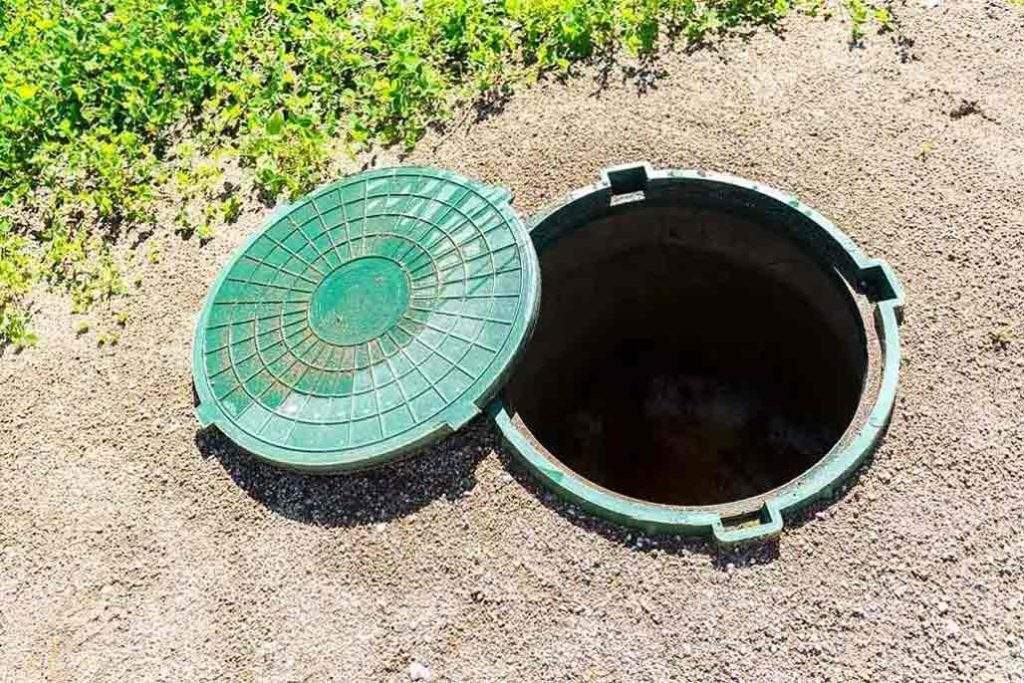
Banishing the "Eau de Septic" from Your Backyard: How to Minimize New Septic Tank Odors Outdoors
Let's face it, nobody wants their backyard smelling like a forgotten sewer grate. A new septic tank can be a great investment for your home, but those initial, pungent odors can be a real buzzkill. Don't worry, you're not alone in this battle against the "eau de septic"! With a little know-how and some proactive steps, you can banish those unpleasant smells and enjoy your outdoor space without a whiff of sewage in sight.
The Source of the Stink: Understanding Your Septic System
Before we dive into the solutions, let's understand the root of the problem. Your septic system is essentially a miniature wastewater treatment plant. It's a self-contained ecosystem where bacteria break down waste, leaving clean water to drain away. But this process can sometimes produce some, shall we say, "aromatic" byproducts. The culprit? Gases like hydrogen sulfide (that classic rotten egg smell) and methane (the gas that makes your stovetop work).
These gasses can escape through various points in your system:
- The tank lid: If the lid isn't properly sealed or has a leak, gases can waft right out.
- The vent pipe: This vertical pipe lets gases escape into the atmosphere, but sometimes it can get clogged or become ineffective.
- The leach field: This is where the treated wastewater filters back into the ground. If the leach field is overloaded or improperly installed, gases can be released into the surrounding soil, eventually finding their way to the surface.
Prevention is Key: Proactive Steps for Odor Control
Here's the good news: tackling septic odor is a combination of proactive measures and quick fixes. Think of it as a multi-layered defense against the olfactory assault.
1. The First Line of Defense: Proper Maintenance
Just like your car needs regular check-ups, your septic system needs a little TLC. A yearly inspection and pumping are crucial for optimal performance and odor control.
- Schedule regular pumping: Pumping out the sludge and scum from your septic tank every 3-5 years is essential. A full tank won't process waste efficiently, leading to odor issues.
- Inspect and clean the vent pipe: A clogged vent pipe can trap gases and force them to escape elsewhere. Regularly inspect it for blockages, and clean it with a brush or compressed air if necessary.
- Use a septic tank treatment: These microbial products can help break down waste more effectively and reduce odor-causing bacteria. Just be sure to follow the instructions on the product label.
2. The Second Line of Defense: Strategic Landscaping
Your garden can be a powerful weapon against odors. Here's how:
- Plant odor-absorbing plants: Certain plants are natural gas absorbers. Think lavender, rosemary, and even mint. Strategically placing them near your septic system can help mask any unpleasant smells.
- Create a buffer zone: Planting shrubs or trees near your septic system can act as a physical barrier, preventing odors from reaching your patio or home. Just make sure they're not planted directly over the leach field.
- Avoid dense vegetation: Thick grass or shrubs can trap moisture, creating a breeding ground for odor-causing bacteria. Keep the area around your septic system well-maintained and relatively clear.
3. The Third Line of Defense: Quick Fixes for Immediate Relief
Sometimes, you need a quick solution to a stinky situation. These tricks can temporarily neutralize odors until you can get to the root of the problem.
- Baking soda: Sprinkle some baking soda around your septic tank and leach field. It neutralizes odors by absorbing them.
- Vinegar and water: Combine equal parts white vinegar and water, pour it down the drain, and let it sit for a few minutes. The vinegar's acidity can help break down odor-causing molecules.
- Coffee grounds: Sprinkle coffee grounds around your septic tank and leach field. They help absorb odors and can actually improve the soil around the system.
- Activated charcoal: Place a small bowl of activated charcoal near the source of the odor. It absorbs gasses and can help neutralize odors.
Commonly Asked Questions
1. What if the odor is coming from the drain field?
If the smell is strong near the drain field, it could indicate a problem with the system, such as a blockage or a failure of the drain field itself. It's best to call a septic professional for an inspection and to determine the cause.
2. What if my vent pipe is blocked?
A clogged vent pipe can trap gases and cause odor problems. If you suspect a blockage, contact a septic service to clear the vent pipe. They'll use specialized equipment to remove any obstructions and ensure proper ventilation.
3. What about chemicals like bleach? Can I use them to eliminate odors?
While bleach can seem like a good quick fix, it's not recommended for your septic system. Bleach can actually kill off the beneficial bacteria that break down waste in your tank, leading to more serious problems and potentially a worse odor down the line. Stick to natural methods or septic-safe treatments.
4. Should I worry about the odor affecting my health?
In most cases, a mild septic odor isn't cause for major concern. But if you notice a strong odor, especially if it persists or is accompanied by other symptoms like nausea, it's a good idea to consult with a doctor.
Remember, a well-maintained septic system should rarely produce strong odors. By taking preventative measures and knowing the signs, you can avoid those embarrassing moments and enjoy a fresh, odor-free outdoor space. And hey, if all else fails, maybe invest in a big fan to blow the smells away! 😉
How to Remove the Smell of a Septic Tank from Your Yard
Eradicate the Septic Smell: A Guide to Fresh Air in Your Yard
A pungent odor emanating from your yard can be a real nuisance, especially if it stems from your septic system. The smell can be a source of embarrassment, and more importantly, a sign of potential problems. Luckily, you don't have to resign yourself to living with the stench. With a little effort and the right approach, you can conquer the septic smell and reclaim the fresh air in your yard.
Understanding the Source of the Smell
Before you embark on any odor-elimination strategy, it's crucial to understand the source of the smell. A septic tank releases an odor when its contents are not properly broken down or when there is a leak in the system. Factors such as overuse, improper maintenance, or a malfunctioning leach field can all contribute to a smelly septic system.
Tackling the Smell: A Multi-Pronged Approach
Once you have a grasp on the source of the smell, you can begin implementing the following steps to effectively eliminate it:
1. Check for Leaks:
Leaks are the most common culprit behind a septic smell. Start by inspecting the septic tank lid for any cracks or damage. Also, check the vent pipe on the roof for clogs or blockages. If you suspect a leak, it's crucial to contact a professional plumber for repairs.
2. Proper Maintenance:
Regular maintenance is key to preventing odor problems. This includes:
- Pumping the tank every 3-5 years, or more often if you have a large family or frequent guests.
- Using septic-safe products, such as cleaners and detergents, to minimize buildup.
- Avoiding flushing items that can damage the system, such as grease, oil, and paper products.
3. Boosting Bacteria:
Adding beneficial bacteria to your septic system can help break down waste more effectively, reducing odor. Septic tank treatments containing bacteria are available at hardware stores and online.
4. Neutralizing Odors:
Various odor neutralizers can be used to mask the smell temporarily. These include:
- Commercial deodorizers: Products specifically designed for septic tanks are available in liquid or granular form.
- Baking soda: Sprinkle a generous amount of baking soda around the tank, where the smell is strongest.
- Vinegar: Pour a gallon of vinegar down the toilet to neutralize odors and help clear clogs.
- Activated charcoal: Place activated charcoal bags near the septic tank or leach field to absorb odors.
5. Planting Odor-Absorbing Plants:
Certain plants, like lavender and rosemary, have a strong fragrance that can help mask the septic smell. Consider planting them near the area where the odor is most prominent.
6. Keep it Aerated:
Good air circulation can help dissipate odors. Ensure the area around the septic tank is well-ventilated and free of obstructions.
When Professional Help is Needed
If the smell persists despite your best efforts, it's time to call in a professional. A licensed plumber can inspect your septic system for any underlying issues, such as a cracked tank or clogged leach field, that require specialized repair.
By taking a proactive approach and implementing these solutions, you can banish the septic smell and enjoy the fresh air in your yard once again. Remember, maintaining a healthy septic system is crucial not only for odor control but also for the overall health of your home and environment.
Saturday, November 16, 2024
How to Get Rid of Septic Tank Smell with Eco-Friendly Products
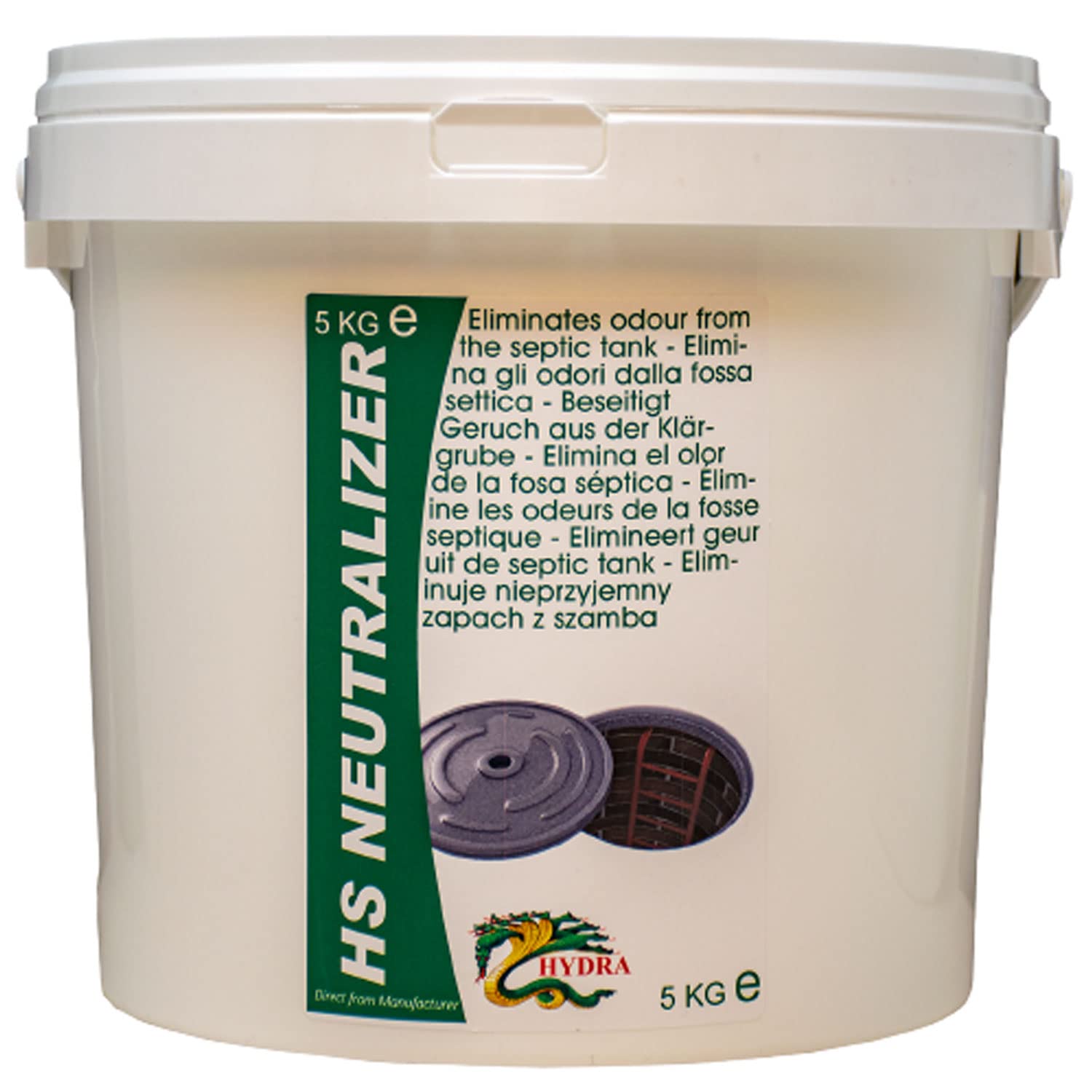
Eliminating Septic Tank Odors with Eco-Friendly Solutions
A lingering, unpleasant odor emanating from your septic system can be a source of embarrassment and discomfort. While traditional chemical treatments may offer quick relief, they often come with environmental concerns and potential harm to your septic system. Fortunately, there are numerous eco-friendly solutions available to effectively eliminate septic tank odors without compromising the health of your system or the environment.
Understanding the Source of Septic Tank Odors
Septic tank odors typically arise from the decomposition of organic matter within the tank. As wastewater enters the tank, bacteria break down solids, releasing gases like hydrogen sulfide, methane, and ammonia. These gases can escape into the surrounding environment, creating an unpleasant smell.
Several factors can contribute to a strong septic tank odor, including:
- Overloading the tank: Exceeding the tank's capacity can lead to a buildup of waste and increased gas production.
- Improper maintenance: Neglecting regular pumping and inspection allows sludge and scum to accumulate, hindering the proper functioning of the system.
- Clogged drain field: A blocked drain field prevents treated wastewater from dispersing, leading to a backup and odor release.
- Leaks or cracks: Damage to the tank or pipes can allow gases to escape into the surrounding soil and air.
Eco-Friendly Solutions to Eliminate Septic Tank Odors
1. Natural Enzyme Treatments
Enzymes are powerful biological agents that naturally break down organic waste. Eco-friendly enzyme treatments contain beneficial bacteria and enzymes that digest sludge and scum, reducing odor-causing gases. These treatments are readily available in liquid or granular form and are typically safe for septic systems.
To use enzyme treatments, simply follow the manufacturer's instructions. Typically, you will add the treatment to your septic tank every few months or as needed. The enzymes will work to break down the waste, reducing the odor over time.
2. Baking Soda and Vinegar
A simple and effective home remedy for septic tank odor is a mixture of baking soda and vinegar. Baking soda is a natural deodorizer, while vinegar's acidity helps to neutralize odor-causing gases. To use this method, pour a cup of baking soda followed by a cup of vinegar down your toilet or a drain near the septic tank. Allow the mixture to sit for a few hours before flushing.
This method can be used regularly to maintain a pleasant odor, but it may not provide a long-term solution for severe odors. However, it is an excellent eco-friendly option for addressing minor odor issues.
3. Compost Tea
Compost tea is a fermented solution derived from compost that contains beneficial bacteria and microorganisms. These microorganisms are capable of breaking down organic waste and reducing odor-causing gases. To make compost tea, simply steep compost in water for several days. Once the tea is brewed, you can pour it into your septic tank.
While compost tea is a natural and effective way to improve septic tank function, it's essential to ensure the compost is free of harmful pathogens. It's also crucial to follow proper brewing instructions to avoid contamination.
4. Activated Charcoal
Activated charcoal is a highly porous material that effectively absorbs odor-causing molecules. To use activated charcoal for septic tank odor control, you can purchase commercially available charcoal filters or create your own by placing a bag of activated charcoal in your septic tank. The charcoal will absorb gases as they are released, preventing them from escaping into the air.
Activated charcoal is an environmentally friendly and highly effective solution for odor control, although it needs to be replaced periodically as it becomes saturated with odor-causing molecules.
5. Aeration Systems
Aeration systems introduce oxygen into the septic tank, promoting the growth of aerobic bacteria. These bacteria are more effective at breaking down waste and reducing odor-causing gases. Aeration systems can be installed directly in the tank or as a separate unit connected to the tank. They are a more permanent solution compared to the other methods mentioned above.
While aeration systems are effective, they are also a more expensive option. However, they offer long-term odor control and improved septic system performance.
Preventing Septic Tank Odors
Beyond addressing existing odors, proactive measures are crucial for preventing unpleasant smells from your septic system. Consider the following:
- Schedule regular pumping: Pumping out your septic tank every 3-5 years removes accumulated sludge and scum, preventing odors and maintaining optimal system function.
- Avoid flushing non-biodegradable materials: Dispose of grease, hair, medications, and other non-biodegradable substances properly to avoid clogging your pipes and septic system.
- Use septic-safe cleaners: Choose cleaning products specifically designed for septic systems to avoid disrupting the bacterial balance and causing harm to your system.
- Monitor water usage: Be mindful of water consumption to avoid overloading your septic tank and creating odor problems.
When to Contact a Professional
While eco-friendly solutions can effectively address many septic tank odor issues, some situations warrant professional attention. If you notice a strong, persistent odor despite using these methods, or if you suspect a leak or other problem with your system, it's essential to contact a qualified septic tank professional for diagnosis and repair.
By implementing these eco-friendly solutions and practicing good septic system maintenance, you can effectively eliminate odors and ensure a healthy and odor-free environment for your home.