Tuesday, November 12, 2024
Can Odor Neutralizers Really Control Septic Tank Smells?

Odor Neutralizers and Septic Tank Smells: A Comprehensive Analysis
Septic systems are an essential part of wastewater management for many homes, providing a reliable and environmentally friendly alternative to traditional sewer systems. However, one common concern associated with septic tanks is the potential for unpleasant odors. These smells can be a nuisance and a source of embarrassment, prompting homeowners to seek solutions. Odor neutralizers are often marketed as a quick fix for septic tank smells, but do they truly deliver on their promise? This article will delve into the effectiveness of odor neutralizers in controlling septic tank smells, exploring the science behind them and analyzing their limitations.
Understanding Septic Tank Odors
The offensive smells emanating from a septic tank stem from the breakdown of organic matter, primarily human waste, in the tank's anaerobic environment. This breakdown process, known as decomposition, is facilitated by bacteria that thrive in the absence of oxygen. As bacteria digest the organic matter, they release various gases, including hydrogen sulfide (H2S), ammonia (NH3), and methane (CH4). These gases, particularly hydrogen sulfide, are responsible for the characteristic foul smell associated with septic tanks.
Factors Contributing to Septic Tank Odors
Several factors can exacerbate septic tank odor problems:
- Overloading the tank: Exceeding the septic tank's capacity can lead to incomplete decomposition, resulting in increased gas production.
- Poor ventilation: Inadequate ventilation in the tank and surrounding areas can trap gases, preventing them from dissipating.
- Leaks in the system: Cracks or leaks in the septic tank or its components can allow gases to escape into the environment.
- Failure of the drain field: If the drain field, where wastewater is filtered and released, becomes clogged, it can back up and create odor problems.
- Age and condition of the tank: Older septic tanks may have deteriorated components or inefficient bacterial activity, leading to odor issues.
Types of Odor Neutralizers
Odor neutralizers for septic systems are typically designed to mask or neutralize unpleasant smells. They come in various forms, including:
- Chemical additives: These products contain chemicals that react with odorous gases, converting them into less offensive substances. Examples include enzyme-based products, bacterial cultures, and odor-masking agents.
- Biological additives: These products introduce beneficial bacteria to the septic tank, promoting faster decomposition and reducing the production of odorous gases.
- Air fresheners: These products utilize fragrances to mask existing odors, rather than addressing the source of the problem.
Effectiveness of Odor Neutralizers
The effectiveness of odor neutralizers in controlling septic tank smells is debatable and depends on several factors, including:
- Severity of the odor problem: Mild odors may be effectively masked by air fresheners or chemical additives. However, for severe odor issues, these solutions might be insufficient.
- Type of odor neutralizer: Some products are more effective than others. Enzyme-based products and beneficial bacteria cultures can offer more sustainable solutions by addressing the root cause of the odor.
- Maintenance of the septic system: Proper maintenance, such as regular pumping and inspections, is crucial for minimizing odor problems. Odor neutralizers can be a temporary solution, but they cannot replace proper maintenance.
- Environmental conditions: Factors like temperature, humidity, and soil composition can influence the effectiveness of odor neutralizers.
While some odor neutralizers can provide temporary relief, they often lack the long-term efficacy of addressing the underlying cause of the odor. In many cases, they merely mask the smell rather than eliminate it. Additionally, certain chemical-based products might have unintended consequences on the septic system's ecosystem and overall performance.
Alternative Solutions for Controlling Septic Tank Odors
Addressing septic tank odor problems effectively requires a comprehensive approach that focuses on preventing the odor in the first place.
- Regular maintenance: Pumping the septic tank every 3-5 years or as recommended by the local authority is essential for preventing overloading and odor issues.
- Proper ventilation: Ensure adequate ventilation of the tank and surrounding areas by maintaining vent pipes and ensuring they are unobstructed.
- Repairing leaks: Promptly address any leaks in the septic system, including the tank itself, pipes, or the drain field. Cracks or leaks can allow gases to escape into the environment.
- Inspecting and maintaining the drain field: A properly functioning drain field is critical for efficient wastewater treatment and odor control. Regular inspections and maintenance are crucial for identifying and resolving any issues.
- Using septic-safe products: Avoid using harsh chemicals or products that can harm the beneficial bacteria in the septic tank, as these can disrupt the decomposition process and increase odor problems.
Conclusion
While odor neutralizers can provide temporary relief from septic tank smells, they are not a long-term solution. To effectively control septic tank odors, it is essential to address the underlying cause. This involves regular maintenance, proper ventilation, leak repairs, and careful selection of septic-safe products. By adopting a proactive approach to septic system management, homeowners can minimize odor problems and ensure the system operates efficiently and reliably.
It is crucial to remember that septic tanks are complex systems requiring proper care and attention. If odor problems persist despite preventative measures, consulting a qualified septic system professional is recommended for diagnosis and appropriate solutions. Ignoring odor issues can lead to more significant problems in the future, potentially resulting in system failure and costly repairs.

Septic Tank Smells in Your Yard: Causes & Solutions

Septic Tank Smells in Your Yard: Causes & Solutions
The unmistakable stench of sewage in your yard is a sign of trouble with your septic system. It can be a source of embarrassment, discomfort, and even health risks. Understanding the potential causes of these odors and implementing effective solutions is crucial to maintaining a clean and healthy environment.
Causes of Septic Tank Smells
Several factors can contribute to unpleasant smells emanating from your septic system. Identifying the root cause is essential for choosing the right solution.
1. Overloading the System
One of the most common causes of septic tank odors is overloading. When the septic tank receives too much wastewater, it can't properly break down the waste. This leads to a buildup of solids, creating an environment ripe for bacteria and producing foul odors.
Overloading can occur due to:
- Excessive water usage, such as frequent showers, laundry, or dishwashing
- Flushing inappropriate items down the toilet, including wipes, paper towels, and grease
- Leakage in the plumbing system, which can send more water than intended into the septic tank
2. Clogged Drainfield
The drainfield, also known as the leach field, is responsible for filtering wastewater from the septic tank. When the drainfield becomes clogged, the wastewater can't drain properly. This backup can cause sewage to surface and emit unpleasant odors.
Several factors can contribute to a clogged drainfield:
- Soil compaction: Over time, soil can compact around the drainfield pipes, restricting drainage.
- Root intrusion: Tree roots can grow into the drainfield pipes, blocking wastewater flow.
- Improper maintenance: Regular maintenance, such as pumping the septic tank, is crucial to prevent buildup and clogging.
3. Septic Tank Problems
Problems within the septic tank itself can also contribute to foul odors. These issues include:
- Full or overflowing tank: When the septic tank is full, it can't hold any more wastewater. This leads to backups and odors.
- Cracks or leaks: A cracked or leaking septic tank can allow wastewater to seep into the surrounding soil, causing odors.
- Malfunctioning baffles: The baffles within the septic tank are designed to separate solids from liquids. If they become damaged or clogged, it can disrupt the separation process and lead to odors.
4. Environmental Factors
Sometimes, environmental factors contribute to septic odors, especially in areas with:
- High groundwater levels: When groundwater is close to the surface, it can seep into the septic tank and cause odors.
- Heavy rainfall: Excessive rainfall can overload the septic system and contribute to backups.
- Poor drainage: Inadequate drainage around the septic system can lead to pooling water, which can create an environment for odor-producing bacteria.
Solutions for Septic Tank Smells
Addressing septic tank odors requires a multi-pronged approach. Here are some common solutions:
1. Regular Maintenance
Regular maintenance is the cornerstone of a healthy septic system. This includes:
- Pumping the septic tank: A licensed septic professional should pump the tank every 3-5 years, or more frequently if necessary.
- Inspecting the drainfield: Check the drainfield for signs of damage, blockage, or vegetation growth.
- Checking the plumbing system: Ensure there are no leaks or improper connections in the plumbing system.
2. Waste Management Practices
Adopting responsible waste management practices can significantly reduce the strain on your septic system:
- Avoid flushing non-biodegradable items: This includes wipes, paper towels, feminine hygiene products, and cooking grease.
- Limit water usage: Reduce water consumption by taking shorter showers, using low-flow fixtures, and fixing any leaks.
- Use biodegradable products: Choose septic-safe cleaners and detergents that break down easily in the septic tank.
3. Addressing Clogged Drainfields
Depending on the cause of the blockage, several approaches can be used:
- Soil aeration: This involves injecting air into the soil around the drainfield pipes to help break up compaction and improve drainage.
- Root removal: A professional can use specialized equipment to remove roots that are obstructing the drainfield pipes.
- Drainfield replacement: In severe cases, the entire drainfield may need to be replaced.
4. Septic Tank Repair or Replacement
If the issue stems from the septic tank itself, repair or replacement may be necessary:
- Tank repairs: Cracks or leaks in the tank can often be repaired.
- Baffle repairs or replacement: Damaged baffles should be repaired or replaced.
- Tank replacement: If the tank is beyond repair or if it's too small for your household's needs, a replacement is necessary.
5. Environmental Considerations
Addressing environmental factors can help prevent septic tank odors:
- Improve drainage: Ensure proper drainage around the septic system to prevent water from pooling.
- Manage groundwater: If high groundwater levels are a problem, consider installing a sump pump to remove excess water.
- Control vegetation: Keep vegetation away from the septic system to prevent root intrusion and damage to the drainfield.
Preventing Septic Tank Smells
The best way to deal with septic tank odors is to prevent them in the first place. Here are some tips:
- Regular maintenance: Schedule regular inspections and pumping of your septic system.
- Responsible waste management: Avoid flushing non-biodegradable items and limit water usage.
- Professional installation and inspection: Ensure your septic system was installed correctly and has regular inspections.
- Awareness of your system: Understand how your septic system works and its limitations.
Safety Considerations
Working with a septic system can be dangerous. Remember:
- Hire professionals: For any major repairs or maintenance, hire a licensed and insured septic professional.
- Avoid contact with wastewater: Do not touch wastewater or enter a septic tank without proper safety equipment and training.
- Be aware of gases: Septic tanks release gases, including hydrogen sulfide, which can be toxic. Work in a well-ventilated area or use a respirator.
By taking preventative measures and addressing problems promptly, you can keep your septic system operating efficiently and prevent unpleasant odors from invading your yard. Remember, regular maintenance and responsible waste management are key to a clean and healthy environment. If you are unsure about any aspect of your septic system, it is always best to consult with a qualified professional.
Septic Tank Odor Neutralizer Safety Tips
Septic Tank Odor Neutralizer Safety Tips: Keeping Your Home Fresh and Your System Healthy
Living with a septic system can be a rewarding experience, offering independence from municipal sewer lines. However, it comes with the responsibility of proper maintenance, and one common challenge is controlling unpleasant odors. Septic tank odor neutralizers can be a valuable tool in combatting these smells, but it's crucial to use them safely and effectively. This guide will walk you through the essential safety tips for using septic tank odor neutralizers and maintaining a fresh-smelling home while ensuring your system operates optimally.
Understanding Septic Tank Odor Neutralizers
Septic tank odor neutralizers are designed to tackle the unpleasant smells associated with decomposing organic matter in your system. They typically work by using a combination of bacteria, enzymes, and fragrances. While these products are generally safe for your septic tank, it's vital to choose the right one and use it correctly.
Choosing the Right Neutralizer
Not all septic tank odor neutralizers are created equal. Before you buy, take these factors into account:
- Septic system compatibility: Ensure the product is specifically designed for septic systems, as some formulations can be detrimental to the bacterial balance in your tank.
- Biodegradability: Choose biodegradable formulas that break down naturally, minimizing the risk of clogging your system.
- Safety for plumbing: Check the product's label for any warnings about potential damage to your pipes or fixtures.
- Fragrance: Consider the fragrance of the neutralizer, as some individuals might be sensitive to strong smells.
Safety Precautions for Using Septic Tank Odor Neutralizers
Using septic tank odor neutralizers safely is paramount. Here's what you need to know:
Read the Instructions Carefully
Before using any neutralizer, meticulously read the manufacturer's instructions. They provide vital information on dosage, frequency of application, and any specific safety guidelines.
Avoid Overuse
While the intention is to eliminate odors, overusing odor neutralizers can disrupt the natural bacterial balance in your septic system. Stick to the recommended dosage to maintain a healthy environment in your tank.
Wear Protective Gear
When handling septic tank odor neutralizers, wear gloves and protective eyewear to prevent skin contact and potential eye irritation.
Proper Storage
Store the neutralizer in a cool, dry place, out of reach of children and pets. Keep it away from direct sunlight and heat sources.
Disposal
Dispose of empty containers responsibly. Follow the instructions on the label, as some products may require specific disposal methods.
Alternative Odor Control Methods
While septic tank odor neutralizers can be effective, other methods can help control odors and promote overall system health:
- Regular Pumping: Have your septic tank pumped every 3-5 years to prevent sludge buildup, which can contribute to odors.
- Proper Ventilation: Ensure adequate ventilation in your septic system's drainage field and around the tank to prevent odor stagnation.
- Avoid Harsh Chemicals: Limit the use of harsh chemicals like bleach and drain cleaners, as they can harm the beneficial bacteria in your septic system.
- Water Conservation: Conserving water can prevent excessive strain on your septic system and reduce the frequency of pumping.
By following these safety tips and adopting a proactive approach to septic system maintenance, you can effectively control unpleasant odors and ensure your septic system operates efficiently for years to come.
How to Remove Septic Tank Odors with Easy Solutions
How to Remove Septic Tank Odors with Easy Solutions
Let's face it, septic tank odors are NOT pleasant. They can be embarrassing and make your home feel less than inviting. But don't worry! You don't have to live with that funky smell. We're here to help you conquer those odors with some easy, practical solutions.
Understanding Septic Tank Odors
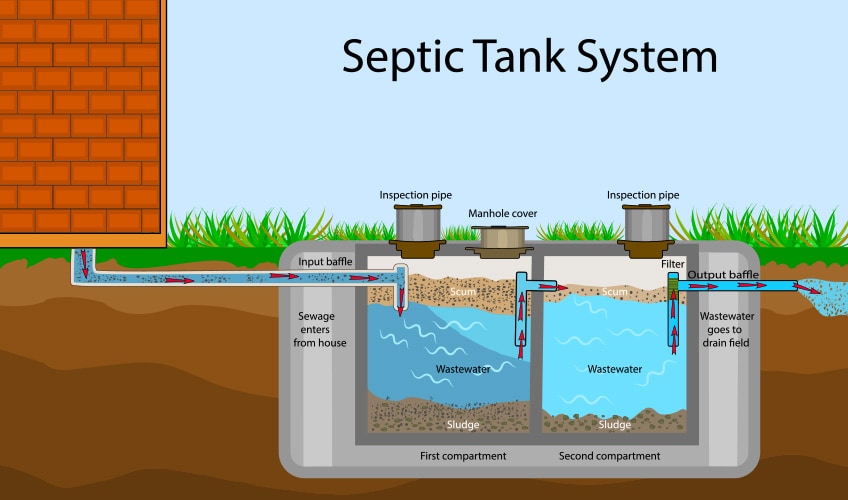
First, it's helpful to understand what causes those pesky smells. Septic tanks work by separating solids from wastewater. The solids settle at the bottom, forming sludge, while the liquids are discharged into a drain field. If the system isn't working properly, gases can escape, and that's what causes the odor.
There are a few common culprits for septic tank odors:
- Overflowing tank: If the tank is full, wastewater can back up into the drain field, causing odors.
- Clogged drain field: If the drain field is clogged, wastewater can't drain properly, leading to backups and odors.
- Leaks or cracks in the system: Even small cracks can allow odors to escape into the surrounding soil and air.
- Improper venting: The vent pipe, which helps to release gases, can become clogged or malfunctioning, leading to odor buildup.
- Poor maintenance: Regular maintenance, such as pumping the tank and inspecting the system, is essential to prevent odors.
Easy Solutions to Eliminate Septic Tank Odors
Now that you understand the root of the problem, let's get to the good stuff - how to tackle those odors!
1. Keep Your Tank Pumped
This is the single most important step to prevent odors. A full tank can cause wastewater to back up into the drain field and release gases. Schedule regular pumping, every 3-5 years, depending on your household size and usage.
2. Treat Your Tank
Septic tank treatments help break down waste, control odors, and improve the efficiency of your system. You can find a variety of products at your local hardware store or online. Choose a product specifically designed for septic tanks, and follow the instructions carefully. You can also try natural options, like adding a cup of baking soda or a handful of citrus peels to your toilet every few weeks.
3. Check Your Venting
The vent pipe is crucial for releasing gases. Make sure it's not blocked or clogged. If you suspect a problem, contact a qualified plumber to inspect and clean it. You can also check for signs of blockage, like gurgling sounds coming from your drains.
4. Prevent Clogs
Clogs in your plumbing system can lead to backups and odors. Avoid flushing things that shouldn't go down the drain, like:
- Grease and oil: These can solidify in your pipes, causing clogs.
- Hair and food scraps: These items can also build up and create blockages.
- Flushable wipes: Many "flushable" wipes are not actually biodegradable and can clog your system.
- Paper towels and tissues: These items can also lead to clogs.
5. Clean Your Drain Field
The drain field is where the wastewater is filtered. If it becomes clogged, odors can arise. You can prevent clogs by avoiding driving or parking heavy vehicles over it. Regular inspection and maintenance by a qualified professional are essential for a healthy drain field.
6. Use Odor Neutralizers
If you're dealing with a persistent odor, you can try using odor neutralizers. These products come in various forms, including sprays, gels, and granules. Choose a product specifically designed for septic systems and follow the instructions carefully. Keep in mind that odor neutralizers only mask the odor, they don't address the root cause. Addressing the underlying issue is still vital!
7. Maintain Good Yard Drainage
Proper drainage around your home can help prevent odors from the septic system. Make sure your yard slopes away from the house, and consider adding gutters to direct rainwater away from the septic tank and drain field. You can also install a French drain to help divert excess water.
8. Look for Signs of Trouble
Be on the lookout for signs that your septic system might be failing, including:
- Slow drains: This can be a sign of a clog or a blockage in your system.
- Gurgling sounds: This can indicate a problem with the venting system or a clog.
- Standing water in your yard: This could mean your drain field is overflowing.
- Unusual smells: If you notice a strong, foul odor, it's a sign that your system needs attention.
If you notice any of these issues, call a qualified septic professional immediately. They can diagnose the problem and help you resolve it before it gets worse.
Additional Tips
Here are a few extra tips to help you keep those septic odors at bay:
- Flush your toilet frequently: This helps to keep your pipes flowing and prevent odors from building up.
- Use a plunger regularly: A quick plunge in your toilet bowl can help clear out minor clogs and prevent odors from escaping.
- Keep your septic tank lid closed: This helps to prevent gases from escaping and creating odors.
- Don't use harsh chemicals: Chemicals can damage your septic system and lead to odors. Stick to natural solutions or septic-safe treatments.
Preventative Measures
Remember, prevention is key! Here are a few ways to avoid septic tank odors in the first place:
- Get regular inspections: Schedule annual inspections of your septic system by a qualified professional.
- Follow a regular maintenance schedule: Pump your tank every 3-5 years, or more often if you have a large household.
- Be mindful of what you flush: Avoid flushing anything that's not biodegradable.
- Keep your yard healthy: A healthy yard can help to prevent water from pooling around your septic tank and drain field.
With a little awareness and proactive steps, you can keep those septic tank odors out of your home and enjoy a fresh, pleasant environment.
How to Handle Septic Tank Smell in Large Family Homes

How to Handle Septic Tank Smell in Large Family Homes
The aroma of a septic tank is not something anyone wants to experience, especially in a large family home. However, with several individuals utilizing the plumbing system, the potential for odor issues can be heightened. Thankfully, understanding the causes of these odors and implementing appropriate measures can eliminate them. This comprehensive guide provides a roadmap to identifying the source and addressing the problem effectively.
Understanding the Source of Septic Tank Odors
Septic tank odors stem from the decomposition of organic waste within the tank. Bacteria break down waste, producing gases like hydrogen sulfide (responsible for the "rotten egg" smell) and methane, which can find their way into the home through various routes.
Common Causes of Septic Tank Odors in Large Families
- Overloading the system: Large families generate more waste, potentially exceeding the tank's capacity. This leads to a backlog of waste, increasing gas production.
- Improper maintenance: Neglecting regular septic tank maintenance can result in sludge build-up, reducing the tank's efficiency and increasing odor production.
- Leaky pipes or connections: Cracks or loose connections in the plumbing system can allow sewer gases to escape into the home.
- Dry weather conditions: During dry periods, water levels in the septic tank can drop, exposing more of the sludge and causing increased odor production.
- Improperly sealed drain fields: If the drain field isn't adequately sealed, gases can escape into the surrounding soil and potentially enter the home.
- Excessive use of harsh chemicals: Certain household cleaners and chemicals can disrupt the bacteria balance in the septic tank, leading to foul odors.
Effective Strategies to Eliminate Septic Tank Odors
Addressing septic tank odors requires a multi-pronged approach that combines preventative measures with immediate solutions. Here's a detailed guide to effectively eliminate and prevent the odors from recurring:
1. Septic System Inspection and Maintenance
The first step is to investigate the root cause of the odor. A professional septic tank inspection can identify any issues such as:
- Sludge build-up: Regular pumping of the septic tank is crucial to prevent sludge from accumulating. For large families, pumping every 1-2 years might be necessary.
- Leaky pipes: A thorough inspection can reveal any cracks or loose connections in the plumbing system that require repair.
- Drain field issues: A qualified inspector can assess the condition of the drain field and determine if it needs attention.
2. Optimize Septic System Use
Modifying daily habits can significantly reduce the strain on your septic system and minimize odor production.
- Avoid flushing non-biodegradable materials: Dispose of items like wipes, paper towels, and feminine hygiene products in a trash bin, as they can clog the system.
- Minimize the use of harsh chemicals: Opt for environmentally friendly cleaning products that don't disrupt the bacteria balance in the septic tank.
- Water conservation: Implementing water-saving techniques, such as low-flow showerheads and toilets, can help reduce the volume of wastewater entering the septic system.
3. Odor Removal Strategies
While addressing the underlying issue is crucial, you can utilize temporary odor control measures to manage the situation while repairs are in progress.
- Ventilation: Ensure adequate ventilation in the areas surrounding the septic tank, such as the basement or crawl space, to disperse any gases.
- Activated charcoal: Place activated charcoal bags near the source of the odor to absorb unpleasant smells. However, this is a short-term solution, and the charcoal will need to be replaced regularly.
- Baking soda and vinegar: Pour a cup of baking soda down the drain followed by a cup of vinegar, and let it sit for 30 minutes before flushing with hot water. This can help neutralize odors.
- Essential oils: Add a few drops of essential oils, such as citrus or peppermint, to a spray bottle filled with water. Spray the mixture in areas affected by the odor.
4. Regular Maintenance for Prevention
Proactive maintenance is vital to avoid recurring septic tank odor problems. Follow these practices for a healthy and odor-free system:
- Schedule regular septic tank inspections: Have a qualified professional inspect your septic system at least every 3-5 years. Larger families should consider more frequent inspections, perhaps every 1-2 years.
- Pump the tank as needed: Monitor your tank’s sludge level and pump it out when necessary. A professional can provide guidance on the appropriate pumping schedule based on your family size and wastewater usage.
- Inspect and repair any leaks promptly: Address any leaks in the plumbing system immediately to prevent sewer gases from entering the home.
- Maintain the drain field: Avoid driving or parking vehicles over the drain field. Keep the area around the field free of debris and foliage.
Addressing Specific Odor Concerns
While the above strategies provide a general approach, specific situations might require additional consideration:
1. Sewage Smell in the Bathroom
If the bathroom is the source of the odor, check for leaks around the toilet, shower drain, and bathtub. Ensure the toilet flapper is in good condition and closes properly to prevent sewer gases from escaping.
2. Septic Tank Smell in the Basement
Inspect the basement for any cracks in the foundation or plumbing pipes that might allow sewer gases to enter. Ensure proper ventilation in the basement and consider using a dehumidifier to prevent moisture buildup.
3. Strong Odors After Heavy Rain
If the odor intensifies after heavy rain, it might indicate issues with the drain field. Excess water could be saturating the drain field, preventing proper drainage and leading to odor production. Consult a septic professional to assess the situation.
Professional Assistance
While many solutions can be implemented independently, tackling complex septic tank odor issues may require professional intervention. Consult a qualified septic tank technician or plumber to diagnose the specific problem and recommend the appropriate course of action. Their expertise can ensure a long-term solution to eliminate odors and maintain a healthy septic system.
Remember, a healthy septic system is crucial for the well-being of your home and family. By understanding the causes of septic tank odors and implementing the strategies outlined in this guide, you can create a comfortable and odor-free living environment, even in a large family home.
How to Treat Septic Tank Smell with Eco-Friendly Treatments
Eco-Friendly Solutions for Eliminating Septic Tank Odors
The presence of an unpleasant odor emanating from your septic system can be a source of discomfort and embarrassment. While a septic tank is designed to effectively process wastewater, a buildup of organic matter and improper maintenance can lead to the release of offensive smells. Fortunately, several eco-friendly solutions can be employed to address this issue, ensuring a clean and odor-free environment.
Understanding the Source of Septic Tank Odors
Before diving into treatment options, it's crucial to understand why septic tanks produce unpleasant smells. The primary culprits are hydrogen sulfide (H2S) and methane (CH4) gases, which are byproducts of the anaerobic decomposition of organic matter within the tank. These gases escape into the atmosphere, leading to the characteristic rotten egg or sewage-like odor.
Eco-Friendly Treatments for Septic Tank Odors
Instead of relying on harsh chemical treatments, consider these environmentally friendly options to tackle septic tank odors:
1. Enzyme-Based Treatments
Enzyme-based treatments are a popular choice for septic tank odor control. These products contain beneficial bacteria and enzymes that break down organic waste, reducing the production of odor-causing gases. Enzyme treatments are generally safe for the environment and can be added directly to the septic tank. They work by accelerating the decomposition process, minimizing the buildup of organic matter that contributes to odor.
2. Natural Deodorizers
Several natural deodorizers can effectively neutralize unpleasant odors from septic tanks. These include:
- Baking Soda: Baking soda is a potent odor absorber. Sprinkle a cup of baking soda into the toilet bowl and let it sit for a few hours before flushing. It will help to absorb any lingering odors.
- Vinegar: Vinegar is a natural disinfectant and odor neutralizer. Pour a cup of vinegar into the toilet bowl and allow it to sit for 30 minutes before flushing. The acetic acid in vinegar helps to break down odor molecules.
- Activated Charcoal: Activated charcoal is an excellent absorbent material. Place a small amount of activated charcoal in a cloth bag and hang it near the septic tank vent. The charcoal will absorb the odor-causing gases.
- Essential Oils: Essential oils like peppermint, eucalyptus, and tea tree oil can effectively mask unpleasant odors. Add a few drops of your preferred essential oil to a spray bottle filled with water. Spray the mixture around the septic tank area, ensuring proper ventilation.
3. Aeration and Ventilation
Proper aeration and ventilation of the septic system are essential for reducing odor. This can be achieved through:
- Septic Tank Vents: Ensure that your septic tank vents are clear and unobstructed. These vents allow gases to escape safely, preventing a buildup of pressure and odor.
- Aerobic Treatment Systems: If you have a large or problematic septic system, consider installing an aerobic treatment system. These systems use oxygen to break down organic matter, significantly reducing odor production.
4. Regular Maintenance and Inspections
Regular maintenance and inspections of your septic system are crucial for preventing odor issues. This involves:
- Pumping: Have your septic tank pumped every 3-5 years, or more often if you have a large household or use a lot of water. Pumping removes accumulated sludge and scum, reducing the risk of odor.
- Inspection: Schedule regular inspections of your septic system to identify any potential problems, such as leaks or blockages, that can contribute to odor.
Preventing Septic Tank Odors
In addition to treating existing odors, adopting preventive measures can help minimize future issues:
- Avoid Flushing Unnecessary Items: Avoid flushing items such as wipes, paper towels, feminine hygiene products, and medications down the toilet, as they can clog the system and contribute to odor.
- Limit Fats and Oils: Minimize the amount of fats and oils discharged into the septic system. These substances can solidify and create blockages that contribute to odor.
- Conserve Water: Reducing water usage can minimize the strain on your septic system and prolong the time between pumping cycles, potentially reducing odor.
Conclusion
Dealing with septic tank odors can be frustrating, but by implementing these eco-friendly solutions, you can effectively eliminate and prevent future issues. From enzyme-based treatments to natural deodorizers and regular maintenance, there are various methods to keep your septic system running smoothly and odor-free. Remember, maintaining a healthy septic system not only ensures a comfortable living environment but also helps protect the environment.
How to Prevent Septic Tank Odor in Outdoor Kitchens

Banishing Septic Tank Odor from Your Outdoor Kitchen
The joy of an outdoor kitchen is unparalleled â€" the fresh air, the warmth of the sun, and the delicious aromas of grilling food. However, a persistent odor can quickly dampen the mood and make enjoying your space unbearable. If you’re dealing with septic tank odor emanating from your outdoor kitchen, don’t despair! You can conquer this unpleasant issue and reclaim your outdoor sanctuary. Let’s dive into practical solutions that will banish the stench and restore the serenity of your outdoor haven.
Understanding the Source of the Problem
Septic tank odor usually arises from a buildup of gases produced by the breakdown of waste in the tank. These gases, primarily hydrogen sulfide, methane, and ammonia, can travel through vent pipes or cracks in the system, reaching your outdoor kitchen.
Effective Solutions to Eliminate Septic Tank Odor
Armed with knowledge of the cause, let’s tackle the solutions. Here are a few effective steps you can take to eliminate septic tank odor and prevent its recurrence:
1. Inspect and Maintain Your Septic System
Regular maintenance is crucial for a healthy septic system. You should:
- Schedule regular inspections: A qualified professional can identify potential problems like a failing vent pipe or a cracked tank, preventing odor from escaping.
- Pump your tank: Ensure the tank is pumped every 3-5 years, or more frequently if you have a large family or high water usage. A full tank creates pressure that can force gases out.
- Check the vent pipe: Ensure the vent pipe is unobstructed and extends at least 4 feet above the highest point of the roof. A blocked vent pipe can cause a back-up of gases.
2. Address Drainage Issues
Sometimes, the odor stems from a drainage issue.
- Inspect the drain field: If water is backing up or pooling around your outdoor kitchen, your drain field might be failing, requiring professional attention.
- Check for leaks: Look for leaks in your plumbing, including the pipes connecting your kitchen sink or appliances to the septic system.
3. Utilize Odor-Neutralizing Products
While not a long-term solution, odor-neutralizing products can provide temporary relief.
- Septic tank additives: These products can help break down waste more efficiently, reducing gas production.
- Natural odor neutralizers: Baking soda and vinegar are effective for neutralizing unpleasant smells.
- Activated carbon filters: These filters can absorb odors and provide a fresh scent.
4. Strategic Landscaping
Strategic landscaping can create a barrier between your outdoor kitchen and the septic system.
- Planting odor-absorbing shrubs: Choose plants like lavender, rosemary, and mint, which have natural odor-neutralizing properties.
- Create a buffer zone: Planting dense shrubs or trees near the septic system can help mask the odor and visually separate the area.
5. Proper Ventilation
Ensure adequate ventilation in your outdoor kitchen to prevent odor buildup.
- Install exhaust fans: Install powerful exhaust fans above your cooking area to vent cooking fumes and reduce odor concentration.
- Open windows and doors: Maximize airflow by opening windows and doors when using your outdoor kitchen.
Conclusion
Confronting septic tank odor in your outdoor kitchen requires a proactive approach. By understanding the root cause, you can implement effective solutions to eliminate the stench and reclaim the joy of your outdoor haven. Remember, regular maintenance, addressing drainage issues, and utilizing odor-neutralizing products and landscaping strategies can help you create a truly enjoyable outdoor experience. Enjoy your outdoor kitchen without the unwanted olfactory distractions!